
Green Tea Extract in SodaBoost: What It Is, What Studies Show and How Much You Get
Quick answerGreen tea extract is fourth in the 82 mg SodaBoost blend, so one gummy holds up to 19.3 mg. Liver concerns with green tea extract involve high-dose pills; Europe's food safety agency flagged 800 mg or more of EGCG a day. Green tea drinkers typically get 90 to 300 mg of EGCG a day, far more than one gummy can hold.
- 60-day satisfaction window
- Free US shipping on 3 or 6 bottles
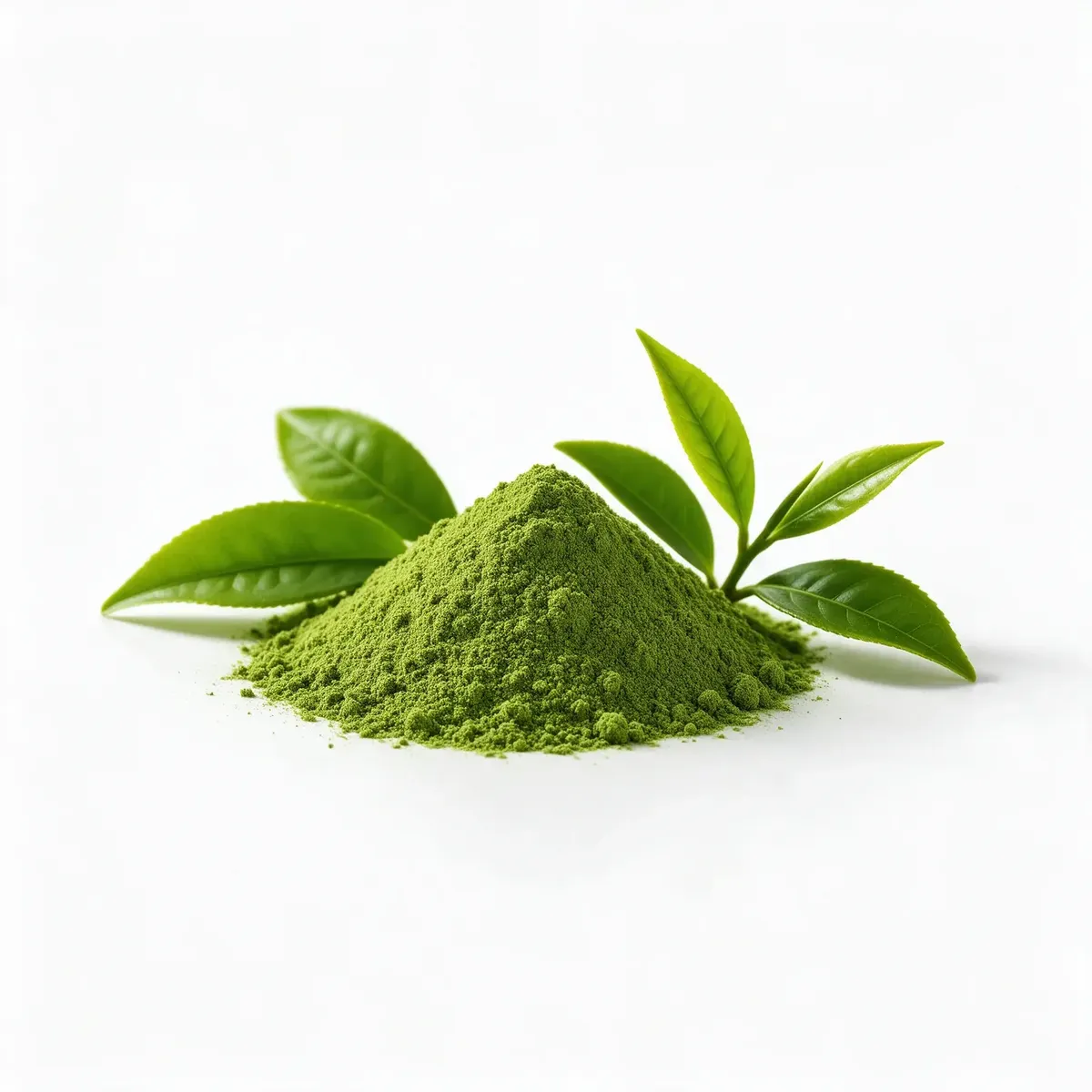
What does green tea extract add to SodaBoost?
Green tea extract is the fourth ingredient in SodaBoost and the last one listed before caffeine. It is the most familiar plant in the formula, since millions of people drink green tea every day.
It also gets the most safety questions, mostly about the liver. Here is what the research and the label say.
04 of 9- Position on the label
- 4 of 9 in the 82 mg blend
- Most one gummy can contain
- Up to 19 mg
- Doses used in studies
- Tea gives 90-300 mg EGCG a day (EFSA, 2018)
- Share of the studied dose
- Very small
- Also called
- Camellia sinensis (leaf)
What is green tea extract?
Green tea comes from the leaves of Camellia sinensis, the same plant used for black and oolong tea. For green tea, the leaves are steamed or pan-fired and dried, but not fermented (NCCIH, Green Tea).
People have used tea for health for about 3,000 years. In China and Japan, it has a long place in daily life and traditional medicine.
An extract concentrates the leaf's compounds into a powder. The best known are catechins, especially EGCG. Leaves also hold caffeine naturally.
- LeafPart of the plant used
- 4thPlace in the SodaBoost blend
- 3,000Years of recorded tea use
What has green tea extract been studied for?
A lot. Green tea and its extracts have been studied for weight, cholesterol, heart health and cancer risk, among other things.
The results are mixed. NCCIH says definite conclusions cannot yet be reached for most uses. Effects on weight look modest, effects on cholesterol look small, and links to cancer are inconsistent across studies (NCCIH, Green Tea).
We found no human research on green tea extract for men's energy or stamina in the sources we use. Its role in a men's blend rests on its general reputation, not on a specific trial.
What the research adds up to
Green tea extract is widely studied, but the findings are mixed and small. No study we know of tested it for male energy or stamina.
How much green tea extract is in one SodaBoost gummy?
Up to 19.3 mg. This is a ceiling, not a printed amount. It follows from label order (21 CFR 101.36).
- 01
82 mg in total
That is the full weight of the proprietary blend in one gummy.
- 02
5 mg of caffeine
Caffeine is printed and sits fifth, right after green tea extract.
- 03
77 mg for the top four
Muira puama, maca, catuaba and green tea extract share what is left.
- 04
19.3 mg at most
As the smallest of the four, green tea can be no more than a quarter of 77 mg.
- Muira Puama up to 77 mg
- Maca up to 38.5 mg
- Catuaba up to 25.7 mg
- Green Tea up to 19.3 mg
- Caffeine 5 mg
- Ashwagandha ≤ 5 mg
- L-Arginine ≤ 5 mg
- Tribulus Terrestris ≤ 5 mg
- Horny Goat Weed ≤ 5 mg
Green tea extract dose in studies vs SodaBoost
For green tea, the useful benchmark is a safety level, not a benefit dose. EFSA looked at EGCG, the main catechin, and where problems begin.
| Benchmark | Amount | What it means |
|---|---|---|
| EFSA concern level for EGCG from supplements | 800 mg a day or more | Linked to early signs of liver damage (EFSA, 2018) |
| Typical intake from green tea drinks | 90 to 300 mg EGCG a day | Considered normal tea drinking |
| Whole green tea extract in one SodaBoost gummy | Up to 19.3 mg | The EGCG part is smaller still |
| Gummy ceiling as a share of the EFSA level | About 2.4% at most | Even if the extract were pure EGCG |
Is green tea extract safe? Side effects and interactions
As a drink, green tea is generally safe for adults. Extract pills are a different story. Liver injury has been reported, mainly with extracts in tablet or capsule form (NCCIH, Green Tea).
EFSA linked EGCG intakes of 800 mg a day or more from supplements to early signs of liver damage (EFSA, 2018). One gummy is far below that, but count every green tea product you take.
Other reported side effects of extract supplements include nausea, constipation, stomach discomfort and higher blood pressure. High doses of green tea also lowered blood levels of nadolol, a beta-blocker. If you take heart or blood pressure medicine, ask your pharmacist.
The full ingredient-by-ingredient list is on the side effects page.
Who should avoid green tea extract or ask a doctor first?
Check with a doctor or pharmacist first if
- Anyone with liver disease, or who has had liver problems with a supplement before.
- People who already take another green tea or EGCG supplement.
- Anyone on nadolol or other heart and blood pressure medicine.
- Pregnant women, who are advised to keep caffeine moderate, and anyone nursing, as the label warns.
- Men using nitrates or sildenafil-type drugs, because the same gummy contains L-arginine.
Liver warning signs
Stop and call a doctor if you notice yellow skin or eyes, dark urine, or pain in the upper right belly while taking any green tea supplement.
How does the gummy compare with drinking green tea?
Most people already get green tea compounds from a cup. Here is how the main forms line up.
| Form | Caffeine | Green tea content | Notes |
|---|---|---|---|
| Cup of brewed green tea | About 14 to 60 mg per 8 oz (tea in general) (MedlinePlus, Caffeine) | Generally safe for adults as a drink | Easy, cheap, no pills |
| Matcha (powdered whole leaf) | Varies by serving | Whole leaf, so more of everything | Stronger taste and more caffeine per cup |
| Green tea extract capsule | Varies; check the label | Where most liver reports come from | Look for an EGCG amount per capsule |
| SodaBoost gummy | Only 5 mg of caffeine is printed | Up to 19.3 mg of extract | Small part of a nine-ingredient blend |
Honest note on green tea extract
At up to 19.3 mg, the green tea extract in one gummy is less than what a typical green tea drinker gets from cups of tea. It is too small to match any study dose, and also too small to approach the EGCG level that worries safety agencies.
Think of it as a minor part of the formula. The amounts of everything else are explained on the Supplement Facts page.
Which SodaBoost ingredients sit around green tea extract?
Just above it is catuaba, a Brazilian bark. Just below it is caffeine, the only printed amount at 5 mg. At the top of the list are muira puama and maca.
The full ingredient guide walks through all nine.
Ready to try SodaBoost?
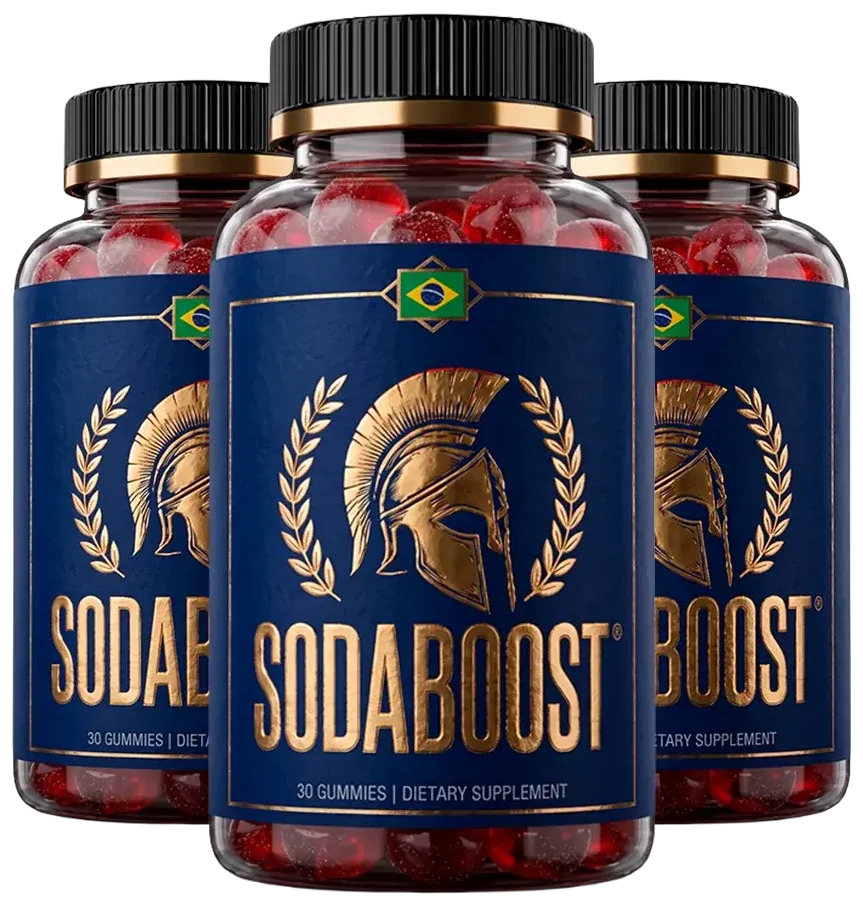
One chewable gummy a day, no water needed. Six bottles cost $49 each with free US shipping, and checkout includes a 60-day satisfaction window.
Green tea extract FAQ: questions people ask
Is green tea extract bad for your liver?
At high doses it can be. Liver injury has been reported, mostly with green tea extract pills, and EFSA linked EGCG intakes of 800 mg a day or more from supplements to early signs of liver damage. One SodaBoost gummy holds at most 19.3 mg of the whole extract.
How much green tea extract is in SodaBoost?
Up to 19.3 mg per gummy. The exact amount is not printed; the ceiling comes from green tea extract being fourth in the 82 mg blend.
Does green tea extract have caffeine?
Green tea leaves contain caffeine naturally, so many extracts carry some. The SodaBoost label does not say how much the extract adds; the only caffeine figure it prints is 5 mg.
Is green tea extract the same as drinking green tea?
No. An extract concentrates the leaf's compounds into a small amount of powder. Health agencies treat the drink as generally safe for adults and reserve their liver warnings mainly for concentrated extract pills.
What are the side effects of green tea extract?
Reported side effects of extract supplements include nausea, constipation, stomach discomfort and higher blood pressure. Rare liver injury has also been reported, mainly at high doses.
Does green tea extract interact with medications?
It can. High doses of green tea lowered blood levels of nadolol, a beta-blocker for blood pressure and heart problems. Ask your pharmacist if you take any regular medicine.
What is EGCG?
EGCG (epigallocatechin gallate) is the main catechin in green tea. It is the compound health agencies look at when they set safety limits for green tea supplements.
Does green tea extract help with weight loss?
The effect seen in studies is small at most. NCCIH says definite conclusions cannot yet be reached on most green tea health claims.
How much green tea extract is safe per day?
No single limit applies to every extract, because strengths vary. EFSA's concern starts at 800 mg of EGCG a day from supplements, so check the EGCG figure on any single-ingredient product.