
Ashwagandha in SodaBoost: What It Does, What Studies Show and How Much You Get
Quick answerEach SodaBoost gummy holds 5 mg or less of ashwagandha. It sits 6th in the 82 mg blend, right after 5 mg of caffeine, so label rules cap it there. Trials listed by the NIH used 240 to 1,250 mg a day. One gummy holds about 2% of the lowest studied dose at most.
- 60-day satisfaction window
- Free US shipping on 3 or 6 bottles
Why is ashwagandha in SodaBoost?
Ashwagandha is the sixth of nine ingredients in the SodaBoost blend. It shows up in many men's energy formulas because of its long history in Ayurveda, the traditional medicine of India. Here it plays a supporting role, not a lead one.
The fact strip below sums it up. The label prints its place in line, not its weight. That place still tells you a lot, as the Supplement Facts breakdown explains.
06 of 9- Position on the label
- 6 of 9 in the 82 mg blend
- Most one gummy can contain
- 5 mg or less
- Doses used in studies
- 240-1,250 mg a day (NIH ODS, Ashwagandha)
- Share of the studied dose
- About 2% at most
- Also called
- Withania somnifera (root)
What is ashwagandha?
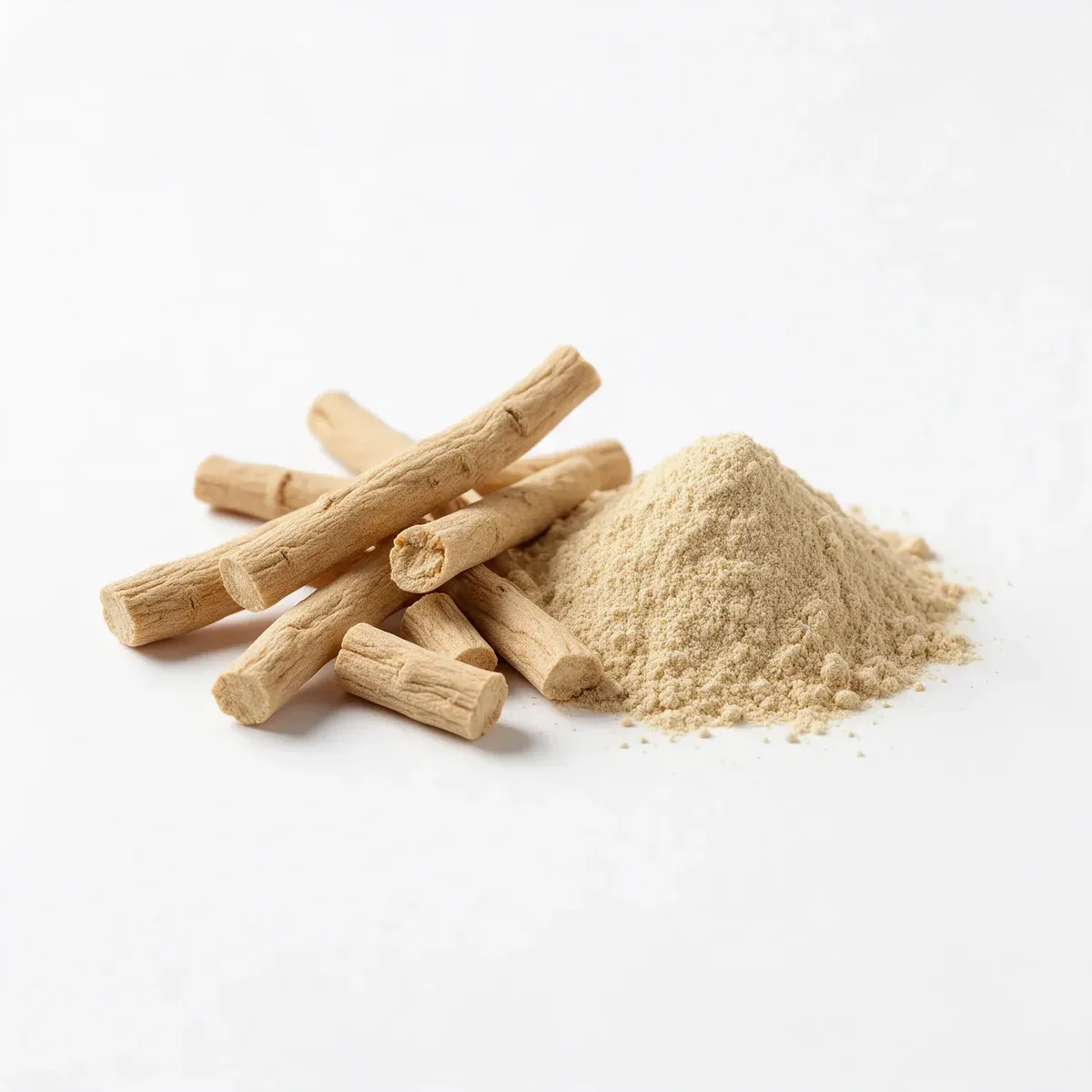
Ashwagandha is a small shrub with the Latin name Withania somnifera. Its root is the part most often dried and powdered. The plant belongs to the nightshade family, the same family as tomatoes and peppers.
In Ayurveda, the root has been used for centuries as a general tonic. Today it is often called an adaptogen. That is a traditional term for herbs said to help the body cope with stress. It is a marketing and folk term, not a medical category.
The SodaBoost label lists it simply as "Ashwagandha." It does not say whether the root, leaf or a standardized extract is used. Our ingredient list calls it a root, which matches common practice.
What has ashwagandha been studied for?
Most human research looks at stress, anxiety and sleep. The NIH Office of Dietary Supplements reviewed these trials in its fact sheet (NIH ODS, Ashwagandha). The doses ranged from 240 to 1,250 mg a day.
The same fact sheet says ashwagandha seems well tolerated in the short term. It also says long-term safety is unknown. It lists reports of liver injury and possible thyroid effects as the main concerns.
We found no trial in our sources that tested ashwagandha for male energy or stamina at gummy-sized amounts. So we do not claim it.
- 240mg a day, low end of trials
- 1,250mg a day, high end of trials
- 5mg or less in one gummy
How much ashwagandha is in one SodaBoost gummy?
The answer is 5 mg or less. That number is not printed on the bottle. It comes from how blends must be listed.
U.S. rules ask makers to list blend ingredients from heaviest to lightest (21 CFR 101.36). Caffeine is printed at 5 mg and sits 5th. Ashwagandha comes right after it, so it cannot weigh more than 5 mg. It could weigh less. The bar below shows the most each part of the 82 mg blend can be. Tap any segment to open that ingredient, such as caffeine or L-arginine.
- Muira Puama up to 77 mg
- Maca up to 38.5 mg
- Catuaba up to 25.7 mg
- Green Tea up to 19.3 mg
- Caffeine 5 mg
- Ashwagandha ≤ 5 mg
- L-Arginine ≤ 5 mg
- Tribulus Terrestris ≤ 5 mg
- Horny Goat Weed ≤ 5 mg
Ashwagandha dose in studies vs SodaBoost
Side by side, the gap is wide. Even a whole bottle adds up to less than one day of the lowest trial dose.
| Source | Ashwagandha a day | Compared with 1 gummy | Basis |
|---|---|---|---|
| Lowest daily dose in trials | 240 mg | 5 mg is about 2.1% of it, at most | (NIH ODS, Ashwagandha) |
| Highest daily dose in trials | 1,250 mg | 5 mg is 0.4% of it, at most | (NIH ODS, Ashwagandha) |
| 1 SodaBoost gummy | 5 mg or less | Ceiling set by label order, not a printed amount | (21 CFR 101.36) |
| A full bottle of SodaBoost (30 gummies) | 150 mg or less in total | Less than one day at the lowest trial dose | Math from the label |
Ashwagandha safety, side effects and interactions
In short-term trials, people mostly tolerated ashwagandha well. The NIH fact sheet still flags three areas. These matter more for high-dose capsules than for a 5 mg trace, but they are worth knowing.
Liver
Liver injury has been reported with ashwagandha products. Warning signs include yellow skin or eyes and dark urine.
Thyroid
It may affect thyroid hormone levels. That is worth knowing if you have a thyroid condition or take thyroid medicine.
Pregnancy
The SodaBoost label tells pregnant or nursing women to ask a doctor before use. The product is aimed at adult men.
Know the liver warning signs
Stop taking SodaBoost and call your doctor if you notice yellow skin or eyes, dark urine, pale stools or pain in the upper right belly. See the full side effects page for the other eight ingredients.
Who should avoid ashwagandha or ask a doctor first?
Most healthy adult men can read the label and decide. A few groups should talk to a doctor before any product with ashwagandha in it.
Ask first if any of these apply
- Anyone with a liver condition or a history of liver problems
- People with a thyroid condition or on thyroid medicine
- Women who are pregnant, trying to conceive or nursing
- Anyone taking daily prescription medicine, as the label warning says
- People sensitive to caffeine, since each gummy also has 5 mg
- Anyone counting added sugar: each gummy has 3 g
Not sure where you fit? The who SodaBoost is for page walks through a short self-check.
How does the ashwagandha in SodaBoost compare with other forms?
You can get ashwagandha three common ways. Each one fits a different goal.
Root powder
Dried, ground root, the oldest way to use the plant. Strength varies by batch, and many labels give a gram amount per scoop.
Extract capsules
Concentrated root extracts sold on their own. This is the form most trials tested, at 240 to 1,250 mg a day.
SodaBoost gummy
A trace amount, 5 mg or less, shared with eight other ingredients and 5 mg of caffeine. One chew a day, no water needed.
If a studied dose is your goal, a standalone extract with a printed amount is the closer match. SodaBoost is built differently. It spreads 82 mg across nine ingredients, including tribulus and horny goat weed.
Honest note: why 5 mg of ashwagandha cannot match the studies
Balanced view
Trials that saw effects used 240 mg a day or more. One gummy holds 5 mg at most, about one-fiftieth of the lowest dose. A trace amount like that cannot be expected to repeat what the studies found.
Think of ashwagandha here as one small part of a daily habit, not the reason to buy. If you want the full picture of every amount, see our ingredient overview.
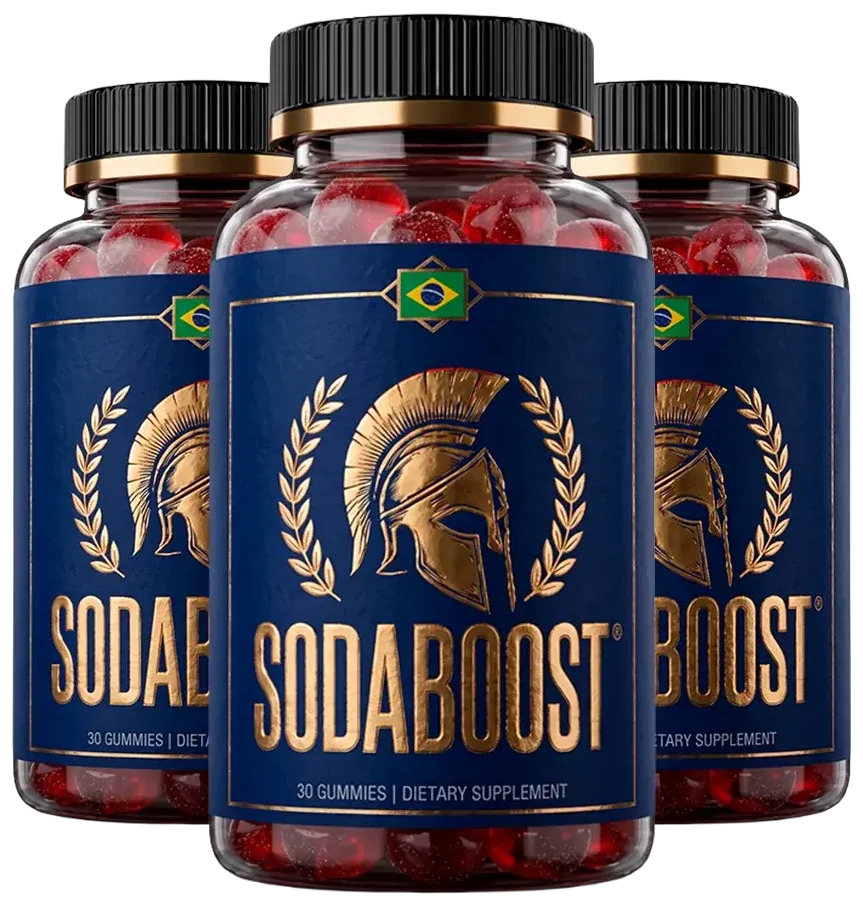
Ready to try SodaBoost?
1 gummy a day, 30 per bottle, from $49 a bottle with free US shipping on 3 or 6 bottles and a 60-day satisfaction window. Questions first? Call +1 (302) 200-3480.
Ashwagandha FAQ: questions people ask
Does ashwagandha increase testosterone?
No reliable evidence in our sources shows that, and SodaBoost makes no testosterone claim. The NIH fact sheet we use reviews ashwagandha for stress, anxiety and sleep, not hormones. At 5 mg or less per gummy, no hormone change should be expected.
Is ashwagandha safe for your liver?
Short trials found it fairly well tolerated, but the NIH fact sheet notes reports of liver injury. Stop and call a doctor if you notice yellow skin or eyes, dark urine or pain in the upper right belly.
What does ashwagandha do for men?
It is a traditional Ayurvedic root studied mostly for stress, anxiety and sleep. Trials used 240 to 1,250 mg a day. Results at those doses cannot be assumed for the 5 mg or less in one SodaBoost gummy.
How much ashwagandha should you take a day?
Trials in the NIH fact sheet used 240 to 1,250 mg a day. There is no single official dose, and long-term safety is unknown. Ask your doctor before picking an amount, especially if you take other medicine.
Can ashwagandha affect your thyroid?
It may. The NIH fact sheet lists thyroid effects among its safety notes. If you have a thyroid condition or take thyroid medicine, ask your doctor first.
Can you take ashwagandha every day?
Daily use in short trials seemed well tolerated, but nobody knows the long-term safety yet. SodaBoost is labeled for 1 gummy a day, which adds 5 mg or less of ashwagandha.
Who should not take ashwagandha?
Pregnant or nursing women, people with liver or thyroid problems and anyone on regular medicine should ask a doctor first. The SodaBoost label gives the same advice for pregnancy, nursing, medicine and medical conditions.
Can you take ashwagandha with caffeine?
SodaBoost already pairs them: each gummy has 5 mg of caffeine and 5 mg or less of ashwagandha. If caffeine bothers you, add the 5 mg to your coffee and tea for the day. Most adults can have up to 400 mg of caffeine a day.
Why is ashwagandha listed after caffeine on the label?
Blend ingredients must be listed from heaviest to lightest. Caffeine is printed at 5 mg and comes 5th, so ashwagandha, in 6th place, cannot weigh more than 5 mg.